

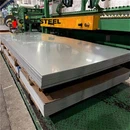



One of the main reasons why copper is highly resistant to corrosion is its ability to form a protective oxide layer on its surface when exposed to air. This layer, called patina, is a thin layer of copper oxide that forms naturally on the surface of copper sheets. Patina is highly resistant to corrosion and therefore protects the underlying copper sheet surface from exposure to air and water.
In addition to its ability to form a protective patina, copper is also highly resistant to corrosion when exposed to other corrosive environments, such as acidic or alkaline solutions. This is largely due to its low solubility in these solutions, meaning that copper does not dissolve easily in acids or bases. Therefore, copper can resist corrosion even in extremely acidic or alkaline environments.
Another reason why copper is resistant to corrosion is its ability to repair its own protective oxide layer. If the patina is damaged or removed from the surface of the copper sheet, the underlying copper can react with air and form a new protective oxide layer. This self-healing ability ensures that the copper sheet maintains its long-term corrosion resistance.
