


What is alloy steel?
Steel is a common and versatile material with uses in construction, manufacturing, engineering and more, and in this article we will explore alloy steels. Steels are divided into four categories: carbon, stainless, tool and alloy. Technically, all steels are alloys, as they are created by combining iron and carbon; However, to be officially designated as "alloy steels" they must contain one or more elements in addition to these two. The reason for creating alloy steels is to improve the mechanical or physical properties of the metal, such as strength, workability or corrosion resistance.

Steels are usually divided into the two main categories of high alloy or low alloy. It is commonly accepted that low alloy steels contain up to 8% alloying elements, with anything above 8% falling into the high alloy category.
Common steel alloy elements.
Although not an exhaustive list, these are some of the most popular elements used in alloying steel. It is estimated that approximately 75% of all steel alloys have been created in the last 20 years alone, and development is continuous. Many alloys require heat treatment to further develop their characteristics. Although this list gives an idea of the properties that can be affected by different alloy materials, most alloys contain two or more elements to create a specific desired effect. A typical example is the 4100 series of chrome-molybdenum alloys, widely used in all types of projects, from structural to military.
Aluminum
Aluminum is used in relatively small quantities, resulting in a robust and lightweight metal with great resistance to corrosion, although, depending on the proportions, this can be at the cost of greater fragility and poor impact resistance. .
Chrome
A small percentage of chromium in an alloy can increase hardness and toughness, although with some loss of ductility. Higher proportions of chromium significantly increase corrosion resistance; Stainless steel is the best-known alloy in this category, with a chromium content of approximately 11% or higher.
Cobalt
Cobalt alloys increase hardness and markedly improve scale resistance at high temperatures, making them a popular tool steel.
Silicon
Silicon is used in small amounts, generally around 3%, to slightly improve strength while increasing magnetism and acting as a very effective deoxidizer. This makes them useful in electrical applications such as transformers, motors and generators.
Manganese
Manganese improves ductility and hardness, reduces brittleness and considerably increases resistance to wear and shock. These alloys are the ideal option for hammering or when the metal will be subjected to stress.
Nickel
Nickel, another deoxidizer, greatly increases corrosion resistance when used in higher proportions. It also improves strength and hardness without compromising ductility like some alloys.
Tungsten
In addition to their increased strength and hardness, tungsten alloys are primarily used for their impressive heat resistance, with a higher melting point than most steels. This ability to retain hardness at high temperatures makes them ideal for high-speed tools and machinery parts, such as drill bits and cutting blades.
Vanadium
Vanadium alloys are a very complete option, as they offer greater tensile strength, toughness, wear resistance and corrosion resistance. They are usually alloyed with chromium to maintain a manageable level of formability.
Applications and uses of alloy steels
Alloy steels have unlimited uses in a wide variety of industries.

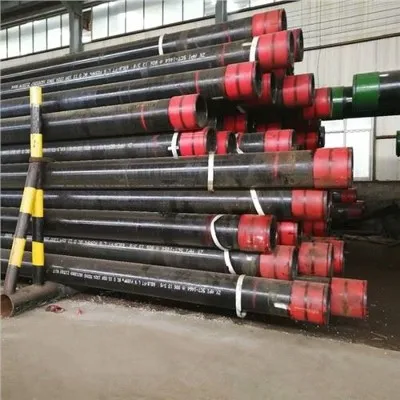
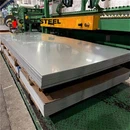
In the construction industry, alloy steels are used to create a wide range of products, such as beams, bars, tubes, plates, sheets, rods, beams and much more. Large-scale infrastructure projects, such as bridges, highway barriers, pylons, and railways, are primarily constructed from types of steel. Stainless steel and other alloy steels are used in many fasteners and accessories, such as fasteners, brackets and sockets; the list is almost endless.
Steel alloys are found almost everywhere and sometimes in unexpected places; For example, titanium steel has recently become fashionable in the jewelry industry. Other products involving steel alloys include many appliances, kitchen utensils, household items, food containers, medical equipment, automobiles, aerospace products, lighting... everything from the paper clip to the latest iPhone!