


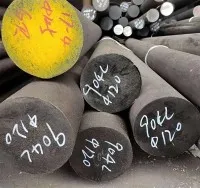


Durability and corrosion resistance are two of the most notable properties of copper. These characteristics make copper ideal for applications requiring long life and corrosion resistance, such as water pipes, gas pipes, and refrigeration pipes.
Additionally, copper tubes are very good conductors of heat and electricity. This property makes them ideal for applications where the transfer of heat or electricity is required, such as radiators, water heaters and electrical cables.
Copper tubing is also easy to join and connect, making it ideal for use in plumbing and HVAC (heating, ventilation, and air conditioning) systems. Copper tubes can be welded, joined with compression fittings or connected with threaded fittings.
In the construction industry, copper pipes are used for the installation of heating and air conditioning systems, as well as for water and gas distribution. Copper tubes are also used in the manufacture of art and jewelry pieces due to their high electrical conductivity and malleability.
In the refrigeration and HVAC industry, copper tubes are essential for heat transfer. Copper tubes are used in refrigeration systems to transfer heat from the evaporator to the condenser. They are also used in air conditioning systems to transfer heat from inside the room to outside.
In summary, copper tubes are a versatile material that is used in a wide range of applications. Its unique properties, such as durability, corrosion resistance, good electrical and thermal conductivity, and ease of connection, make it suitable for use in plumbing, HVAC, refrigeration systems and many other applications. Copper tubing has proven to be a reliable and durable option for many years, and will continue to be a popular material in the future.
