


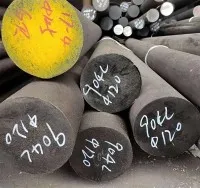


In the case of copper, its high ductility and malleability give it excellent workability. Ductility refers to the ability of a material to deform without breaking, while malleability refers to the ability of a material to be formed into various shapes without losing its integrity. These properties make copper a very suitable material for the manufacture of sheets and coils that require forming and stamping processes.
Furthermore, the chemical composition of copper and its crystalline structure also contribute to its workability. Pure copper is a very soft and malleable material, which makes it easy to work and shape into various shapes. However, adding small amounts of other metals, such as tin, zinc or nickel, can improve the mechanical properties of copper, such as tensile strength and hardness.
The workability of copper sheets and coils can be further improved by hot and cold rolling processes. Cold rolling involves deformation of the material at room temperature, while hot rolling is performed at high temperatures. These lamination processes can improve the strength of the material and its ability to withstand mechanical loads, as well as its aesthetic appearance.
In conclusion, the workability of copper sheets and coils is an important property that determines their ability to be shaped and manipulated by mechanical processes. The high ductility and malleability of copper, together with its chemical composition and crystalline structure, make it a highly workable material. Hot and cold rolling processes can further improve the strength and aesthetic appearance of copper, making it ideal for a wide variety of applications in industry.
