


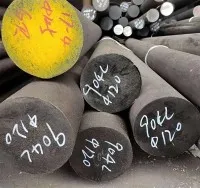

The minimum coating thickness requirements in ASTM A123/A123M and ASTM A153/A153M specifications have been developed over time to balance corrosion protection needs with the thickness that a galvanized coating can achieve based on the thickness and the chemistry of steel. In most cases, galvanizers can meet these minimum coating thickness requirements; However, there are times when it is difficult or even impossible to meet these requirements.
Tubes and steels that have been treated with aluminum (rather than silicon) or have very low levels of silicon are the types of steel most likely to have difficulty meeting the required minimum coating thicknesses, although they tend to be within the steel chemistry ranges recommended by ASTM A385. In most cases, it is still possible to meet the minimum thickness requirements, but there are times when, even after leaving the steel in the galvanizing kettle for excessively long times, it is not possible to meet the minimum thickness requirements. This puts the galvanizer in a difficult situation, as it is required to meet these requirements according to the applicable ASTM specifications.
The most important thing galvanizers can do is educate their customers on the hot-dip galvanizing process. This is true not only for coating thickness minimums, but for all facets of the galvanizing process. The AGA has a number of free resources to educate its clients. Another ideal place to educate your customers is on the purchase order and quote confirmation form. In cases where it is very difficult to meet minimum coating thicknesses, discussing the steel chemistry and minimum coating thicknesses in these two documents is very helpful in convincing your client that you are not trying to trick them with the zinc coating you are paying for. Both are also the perfect place to discuss alternative options (and who should pay for these additional services) when normal galvanizing practices do not produce a galvanized coating thick enough to meet minimum ASTM requirements.
Although not guaranteed, there are several techniques that galvanizers can employ to achieve thicker galvanized coatings. Blasting the steel before galvanizing makes the surface of the steel rougher, which increases the total surface area of the steel. This increased surface area allows more places for zinc crystals to grow during the galvanizing process and increases the chances of a thicker coating developing. An alternative method to blast blasting that has sometimes been used is excessive pickling of the steel in sulfuric acid (this method does not work in hydrochloric pickling baths). Excessive pickling of steel allows the acid to attack the surface of the steel and roughen it to some extent, thereby increasing the surface area. Excessive stripping can have negative consequences, such as roughening the steel or creating rougher or irregular-looking galvanized coatings. If pickling is too long, sulfuric acid can destroy the steel through excessive chemical attack.
Ultimately, it is the galvanizers' responsibility to meet the coating thickness requirements of ASTM specifications, even in cases where steel chemistry is an issue over which the galvanizer has no control. That's why it's important to educate your customer beforehand, or at least include provisions in your purchase order/quote confirmation form to address who is responsible for paying for additional services, such as steel sweeping, if necessary.


