


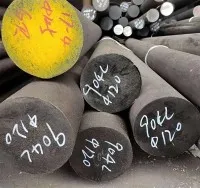


Copper is an excellent electrical and thermal conductor, making it ideal for use in electronic components. In addition, it is resistant to corrosion and has high ductility and malleability, allowing it to be formed into a wide variety of shapes.
One of the most common applications of copper rods in the electronics industry is in the manufacturing of printed circuit boards (PCBs). PCBs are the backbone of most electronic devices, from smartphones to computers and televisions. Printed circuits are composed of an insulating board (usually made of fiberglass or epoxy resin) onto which conductive paths are etched using a copper etching technique.
Copper rods are used to make these conductive vias as they provide excellent electrical and thermal conductivity, which is essential for signal transmission in electronic circuits. In addition, copper rods are highly resistant to corrosion and oxidation, ensuring that the printed circuits are durable and reliable over time.
Another common application of copper rods in the electronics industry is in the manufacture of transformers and coils. Transformers are electrical devices used to transfer energy from one circuit to another by using a magnetic field. Coils, on the other hand, are components used in a wide variety of electronic devices, such as speakers and motors.
Copper rods are used to manufacture the windings of these components due to their high conductivity and ability to withstand high electrical currents. Furthermore, the high malleability of copper allows it to be formed into complex shapes, which is essential for the manufacture of efficient transformers and coils.
In summary, copper rods are a key material in the electronics industry due to their unique properties. Their high electrical and thermal conductivity, corrosion resistance and malleability make them ideal for use in the manufacture of printed circuits, transformers and coils. Its use in the electronics industry has been crucial for the development and evolution of technology in recent years.


