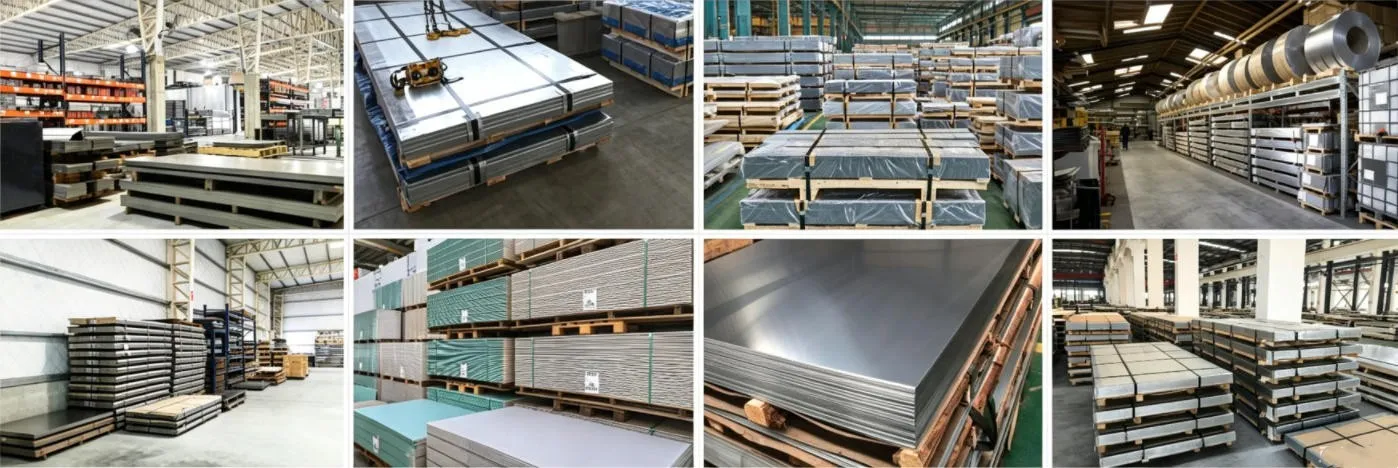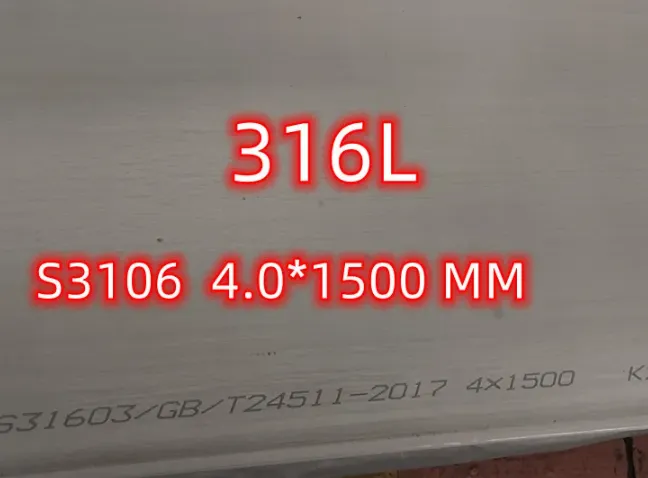
What is SUS316L stainless steel?
SUS316L is a low-carbon, molybdenum-bearing austenitic stainless steel. It is highly prized for its exceptional resistance to chloride pitting, crevice corrosion, and intergranular corrosion. The "L" stands for low carbon (≤0.03%), which makes it ideal for heavy-duty welded components and highly corrosive marine or chemical environments.
What is SUS316 stainless steel?
SUS316 stainless steel is an austenitic stainless steel conforming to the Japanese Industrial Standards (JIS)-equivalent to AISI 316 or UNS S31600. It possesses exceptional corrosion resistance, making it particularly well-suited for environments rich in chlorides and acids. It can be fabricated into a wide variety of practical product forms, including sheets, coils, tubes, bars, and wires; furthermore, it outperforms SUS304 under demanding operating conditions such as those found in seawater, chemical processing, and marine engineering applications.
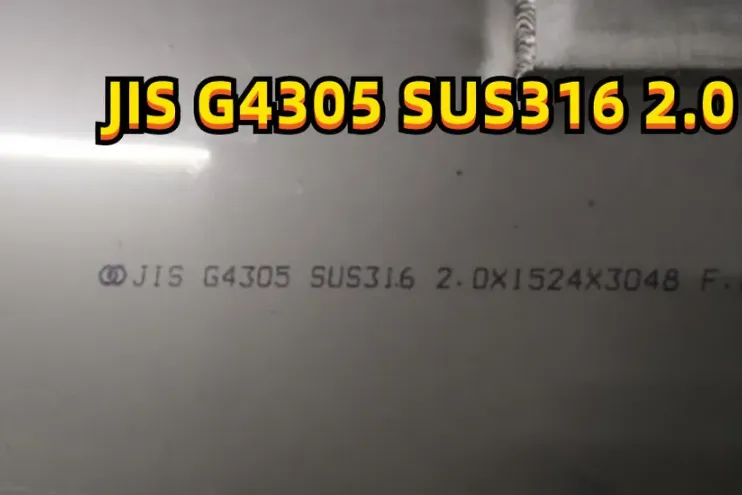
What is the difference between SUS316L and SUS316?
The primary difference between SUS316 and SUS316L is their carbon content. The "L" stands for "Low Carbon," meaning SUS316L has a maximum carbon content of 0.03%, while standard SUS316 allows up to 0.08%. This reduced carbon prevents carbide precipitation during welding, providing much better intergranular corrosion resistance.
Equivalent Grades
| Standard | SUS316 | SUS316L |
| JIS (Japan) | SUS316 | SUS316L |
| ASTM/AISI (USA) | 316 | 316L |
| UNS (Global) | S31600 | S31603 |
| EN/DIN (Europe) | 1.4401 (X5CrNiMo17-12-2) | 1.4404 (X2CrNiMo17-12-2) |
| GB/T (China) | 06Cr17Ni12Mo2 (Old: 0Cr17Ni12Mo2) | 022Cr17Ni12Mo2 (Old: 00Cr17Ni12Mo2) |
Chemical Component (wt%):
| Specification | C | Si | Mn | P | S | Cr | Ni | Mo |
| SUS316 | ≤0.08 | ≤1.00 | ≤2.00 | ≤0.045 | ≤0.030 | 16.0~18.0 | 10.0-14.0 | 2~3 |
| SUS316L | ≤0.03 | ≤1.00 | ≤2.00 | ≤0.045 | ≤0.030 | 16.0~18.0 | 12.0-15.0 | 2~3 |
Mechanical Capacity:
| Specification | YS(Mpa) | TS(Mpa) | EL(%) | Hv |
| TYPE:SUS316 | ≥205 | ≥520 | ≥40 | ≤200 |
| TYPE:SUS316L | ≥175 | ≥480 | ≥40 | ≤200 |
SUS316 vs. SUS316L Stainless Steel: Corrosion Resistance
Both SUS316 and SUS316L stainless steels possess excellent corrosion resistance; however, due to its lower carbon content (SUS316L contains ≤0.03% carbon, whereas SUS316 contains ≤0.08%), SUS316L exhibits superior resistance to intergranular corrosion following welding. In environments such as seawater systems, chemical production facilities, and acidic media, SUS316L is less prone to forming chromium carbide precipitates at grain boundaries when welded or exposed to high temperatures, thereby rendering it a more reliable choice in terms of long-term corrosion resistance.
SUS316 vs. SUS316L: Weldability
Both SUS316 and SUS316L exhibit excellent weldability and can be processed using common welding methods such as TIG, MIG, and resistance welding. In comparison, when SUS316 is utilized in critical applications, it may require post-weld solution heat treatment to restore its corrosion resistance. For applications involving large welded structures, pressure vessels, piping, pharmaceutical equipment, and food-grade storage tanks, SUS316L is the preferred choice, as it minimizes the risk of weld corrosion and enhances the long-term reliability of the structure.
SUS316 vs. SUS316L Stainless Steel: Applications
Use SUS316 for structural components, pressure vessels, and heavy-duty marine parts that do not require extensive welding but demand maximum structural rigidity and heat resistance.Use SUS316L for chemical processing equipment, pharmaceutical manufacturing, and complex fabricated tanks that require heavy welding.
SUS316 vs. SUS316L: How to Choose?
Generally, due to the slightly higher nickel content requirements and stricter smelting standards, SUS316L is usually more expensive than SUS316. Both grades perform excellently in acidic environments, marine conditions, and environments with high chloride ion concentrations. However, in extremely harsh chemical industry applications, 316L is considered the safer choice.
If the component requires welding and solution annealing cannot be performed after welding, SUS316L is the preferred option. It can effectively prevent intergranular corrosion in the heat-affected zone after welding (commonly known as "weld decay" or "weld seam corrosion").
SUS316 Stainless Steel Plate Price
The price of SUS316 (316/316L) stainless steel plate typically ranges from $5.00 to over $10.00 per pound, depending on its thickness, dimensions, and supplier. Small, pre-cut retail pieces (such as 12" x 12" sheets) typically carry a unit price between $100 and $450, while full-sized industrial sheets can cost thousands of dollars.
If you have project-specific requirements for SUS316 or SUS316L stainless steel plates, we welcome your orders. GNEE maintains a substantial inventory of our best-selling products for you to choose from. Available in both hot-rolled and cold-rolled forms, these materials can be processed to meet your needs; for detailed chemical compositions or free samples, please contact our factory immediately. We offer competitive pricing and exceptional service.Mail:es@gescosteel.com